Digital PCR specialist course 2026
18-20 May 2026
The pecialist course on digital PCR (dPCR) will teach you the basics of dPCR, including assay design, dPCR optimization, data analysis and good experimental practice. We will start with a basic intruduction of dPCR and explain possible applications using case studies in the field of cancer research and virology. The course will be taught by experts in the field of dPCR from Ghent University. Hands on training on dPCR devices will be provided The course is open for academic and non academic researchers, registrations will open at the start of 2026.
Do not miss new updates, follow us on linkedin
Course program
Date and location
The course will take place on 18, 19 and 20 May 2026 at the faculty of Veterinary Sciences, Ghent University.
Day 1
| 08:30-10:00 | Introduction to digital PCR Ward De Spiegelaere |
| 10:00-10:20 | Coffee break |
| 10:20-11:00 | DPCR data and applicationsWim Trypsteen |
| 11:00-12:00 | Primer design including hands on training Jo Vandesompele |
| 12:30-13:30 | Lunch |
| 13:30-14:00 | Probe design including hands on training Jo Vandesompele |
| 14:00-15:00 | Molecular beacon design Diana Vargas-Gold |
| 15:00-15:20 | Coffee break |
| 15:20-17:00 | Hands on introduction to dPCR platforms Stilla Technologies, Optolane, Bio-Rad, Qiagen, Roche, ThermoFisher |
Day 2
| 08:30-10:00 | Industry pitches Stilla Technologies, Optolane, Bio-Rad, Qiagen, Roche, ThermoFisher |
| 10:00-10:20 | Coffee break |
| 10:20-11:00 | Data interpretation Wim Trypsteen |
| 11:00-12:30 | dPCR assay optimization Antoon Lievens |
| 12:30-13:00 | Lunch |
| 13:00-14:30 | Higher order multiplexing theory, applications, assay design and validation Alexandra Whale |
| 14:30-15:00 | Partition classification methods and validation Matthijs Vynck |
| 15:00-15:20 | Coffee break |
| 15:20-15:50 | Real-time dPCR and melt curve dPCR Diana Vargas-Gold |
| 15:50-17:00 | RNA quantification + single cell applications Ward De Spiegelaere |
Day 3
| 08:30-10:00 | ISO, MIQe, dPCR validation and power analysis Ward De Spiegelaere and Matthijs Vynck |
| 10:00-10:20 | Coffee break |
| 10:20-12:30 | Experimental design + Flexible data analysis Olivier Thas |
| 12:20-13:00 | Lunch |
| 13:00-17:00 | concurrent hands-on sessions combined with meet the expert/company sessions |
Our teachers
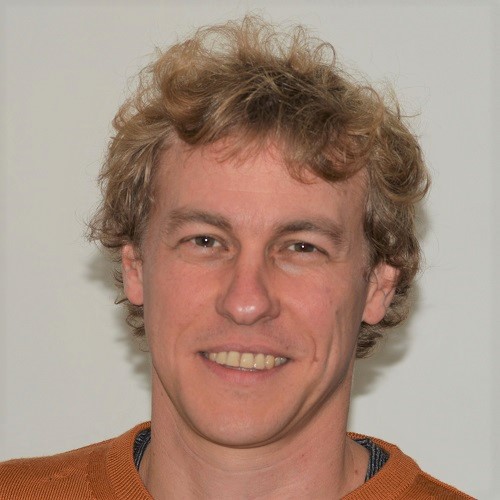
Ward De Spiegelaere
Ghent UniversityFaculty of Veterinary Medicine
Ward De Spiegelaere
Head of the DIGPCR core facility. He works on higher order multiplexing and partition clustering for various dPCR applications, including pathogen detection, mutation analysis and quality control of RNA and DNA by dPCR.
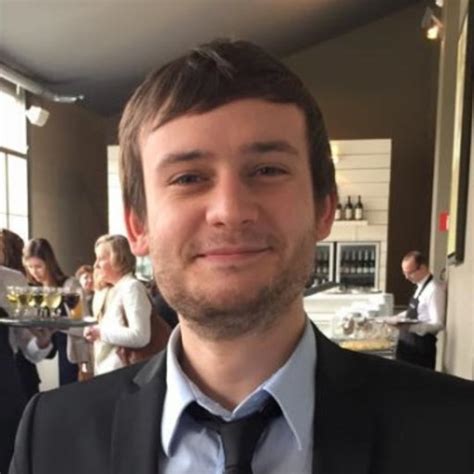
Wim Trypsteen
Ghent UniversityDIGPCR core facility
Wim Trypsteen
DIGPCR core manager. Research on treshold setting, applications of dPCR in absolute HIV DNA and RNA quantification and analysis of HIV intactness
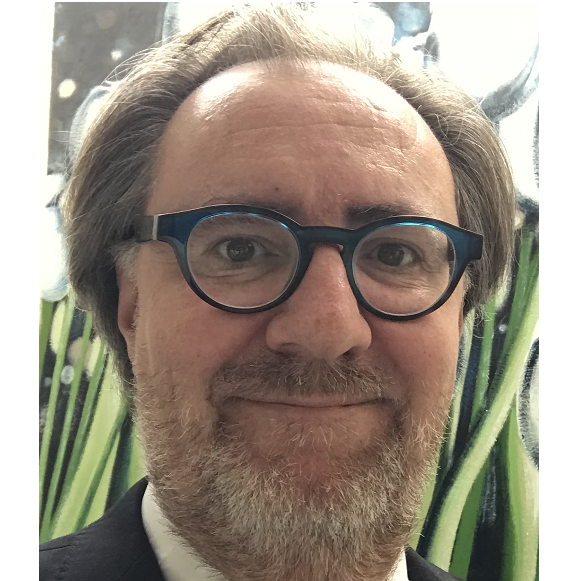
Olivier Thas
Steering committeeFaculty of Science
Olivier Thas
Olivier's research focusses on the development and application of flexible statistical methods for the analysis of biomolecular quantitation experiments.
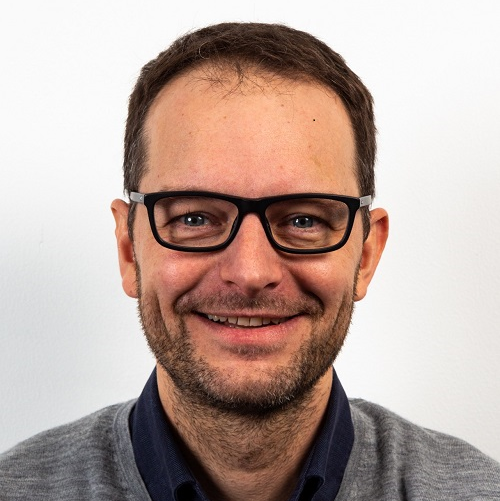
Jo Vandesompele
Ghent UniversityFaculty of Medicine and Health Science
Jo Vandesompele
Jo has a long-standing track record in method development for PCR based quantification of nucleic acids. The lab focuses on PCR primer design, the study of pre-analytical variables, and data-analysis. Applications are being developed in the context of oncology and liquid biopsies.
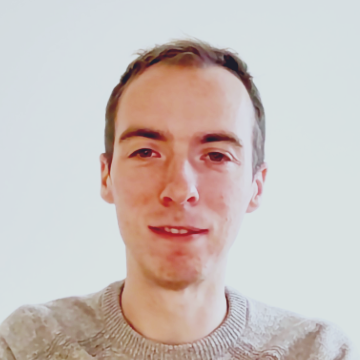
Matthijs Vynck
Postdoctoral Researcher
Matthijs Vynck
Biostatistician with molecular biology background focussing on clustering analysis of dPCR data and statistical data analysis of dPCR experiments
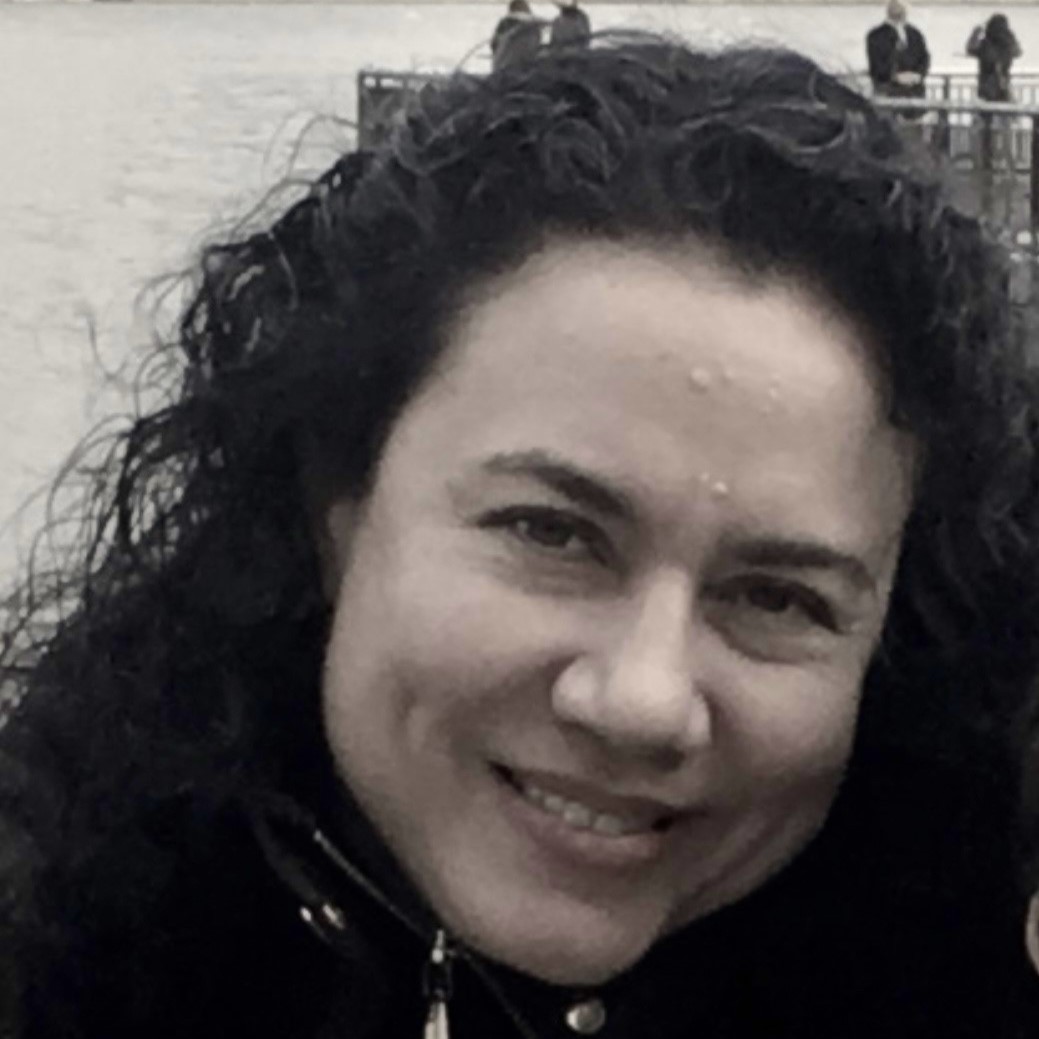
Diana Vargas-Gold
Research Scientist at the Public Health Research Institute, New Jersey Medical School, Rutgers University, USA
Diana Vargas-Gold
Microbiologist and Research Scientist with over 27 years of experience, specializes in developing SuperSelective PCR primers and molecular beacon probes for highly sensitive, non‑invasive cancer diagnostics.
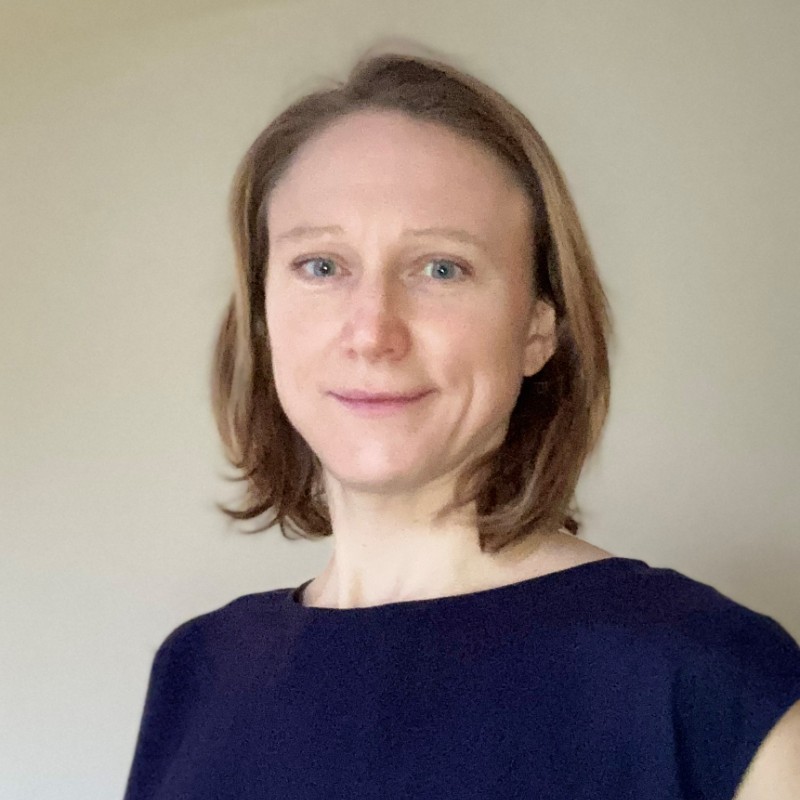
Alexandra Whale
LGC, National Measurement Institute for Chemical and Bioanalytical Measurements, UKScience Leader Nucleic-Acid Research Group
Alexandra Whale
Science Leader in nucleic acid innovation. Expertice in higher-order multiplexing assay design, for complex analyses in diverse areas such as vector production, cancer diagnostics, regenerative medicine, quantum biology, and CRISPR gene editing.
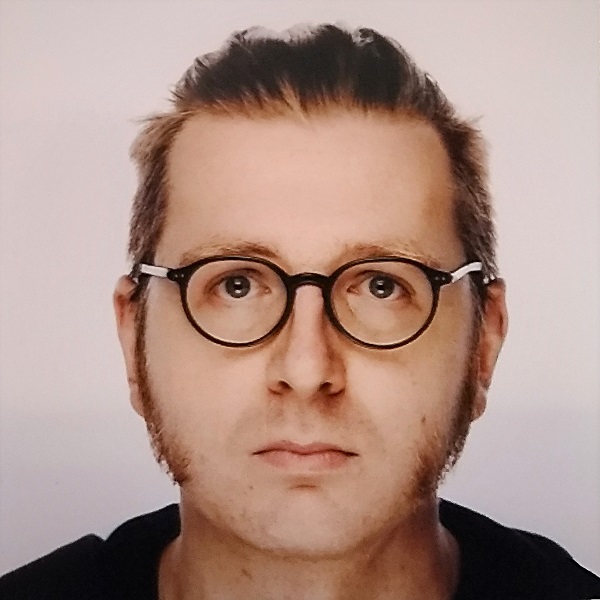
Antoon Lievens
Ghent UniversityVisiting Scientist
Antoon Lievens
Ghent UniversityVisiting Scientist
Antoon Lievens
Molecular biologist & statistician with a career in method qPCR & dPCR development in the fields of GMO, Food Fraud, and plant breeding. Focus on research and development of (d)dPCR analysis tools.
Registration
Our course is full, mail ward.despiegelaere@ugent.be to get a spot on the waiting list.
How to get there
Faculty of Veterinary Medicine
Salisburylaan 133
Auditorium D, entrance 19
find on google maps
By Bicycle
Ghent is a true cycling city, with plenty of safe and comfortable bike lanes.
The campus is about 20–30 minutes by bike from most parts of the city.
If you need a bicycle, you can rent one
here.
By Bus
If you prefer public transport, you can also reach the campus by bus.
We recommend choosing accommodation near Woodrow Wilsonplein (Gent Zuid) for the best connections.
Direct connection (Line 42):
• Direct bus to the campus
• Approx. 45 minutes due to a detour via Merelbeke
• Only one bus per hour
Flexible option (Lines 40, 41, 42):
• Get off at Waterstraat
• 1.5 km walk through a residential area
• Buses every 15 minutes
Plan your trip using the official De Lijn Routeplanner:
Routeplanner – De Lijn
or via Google Maps.
Note: Bus stops are not always announced on Belgian buses,
but you can always ask the driver for assistance.
Contact us?
ward.despiegelaere@ugent.be
Sponsors





In collaboration with